



Five Nights at Epstein's - A Browser Survival Horror That Asks You To Stay Up All Night
Five Nights at Epstein's opens with a phone call you do not want to take. The night shift is open at an old security office. The pay is decent. The hours are brutal. Nobody explains why the last guard quit. You sit down at the desk, the cameras flicker on, and the building starts watching you back. The game does not tell you what you are looking at. It tells you to keep looking.
The browser player above is built for people who want to try Five Nights at Epstein's without hunting for a separate download. Press Play, let the frame load, and give the static a second to settle. This is a survival horror built around attention and power management, not reflexes. You flick between cameras, watch the doors, and try to make it to 6 AM. If your browser blocks the iframe, refresh once or disable content blockers for this site.
What Five Nights at Epstein's Feels Like
The cleanest description of Five Nights at Epstein's is low-light paranoia. The office is small, the cameras are noisy, and the power meter is always, quietly, draining. The art direction uses static and CRT distortion the way a horror novel uses bad weather - to make the scene feel isolated enough that every sound matters. Underneath the gloom, the game keeps asking one question: are you watching the cameras, or are the cameras watching you?
That is why Five Nights at Epstein's lands hard with horror players who like their scares earned by attention. The game gives you the tools to survive - cameras, doors, a power meter, a clock - and then asks you to actually use them. You are not shooting anything. You are not running. You are flicking between feeds, deciding who to trust, and hoping that the static you just heard was nothing. Small decisions matter because the office is watching your habits - and because every night after the first one gets harder.
How To Play Five Nights at Epstein's
The controls are simple: use the mouse to click between cameras, click the doors to close or open them, and watch the power meter at the bottom of the screen. The first night is a tutorial in disguise. By night five, every click is a calculation. The important part is simple: watch the cameras, manage the power, and don't let anything in.
Press Play in Browser and let the frame load. No install, no signup.
Click the cameras to switch feeds. Watch the static. Watch the doors.
Manage the power meter. Doors cost power. Cameras cost power. The night costs power.
Survive until 6 AM. Then survive night 2. Then 3. Then 4. Then 5.
The Night Shift
Three forces keep you company in the office. They are not what they seem - but the better you read the cameras, the more you will see.
The Security Guard
You took the job for the money. The cameras flicker, the static pops, and the doors do not stay closed by themselves. You are the last person awake in the building.
The Building
Long hallways, locked doors, and rooms that should not have movement. The cameras tell you what is happening. The building tells you when.
The Visitors
You will not see them on camera. You will see the door light go red. You will hear the static pop. You will check the feed and wish you hadn't.
Five Nights at Epstein's - Real Screenshots
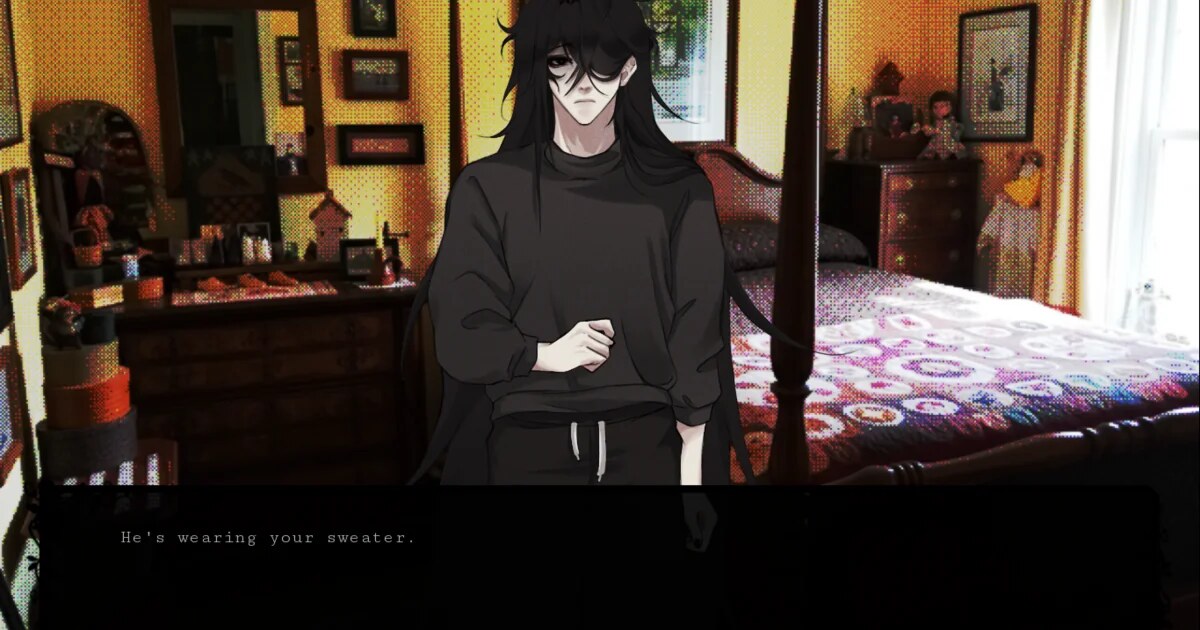
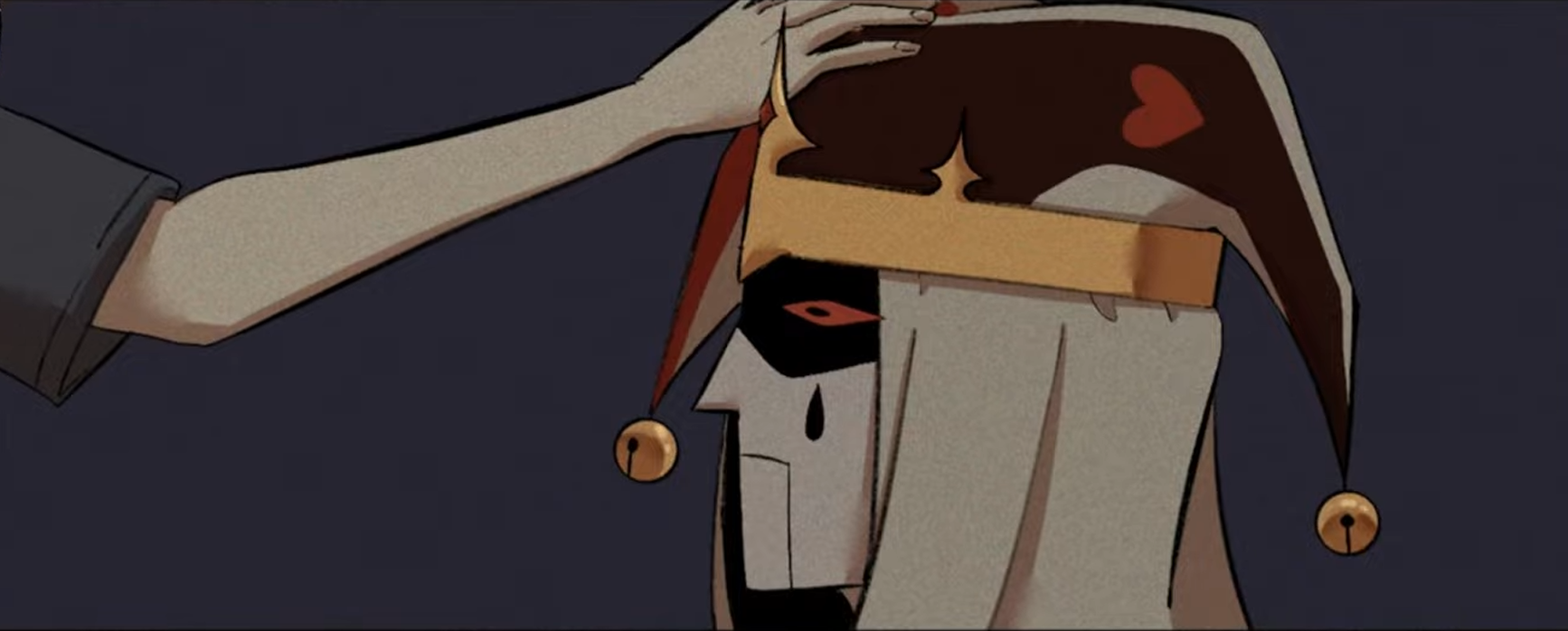
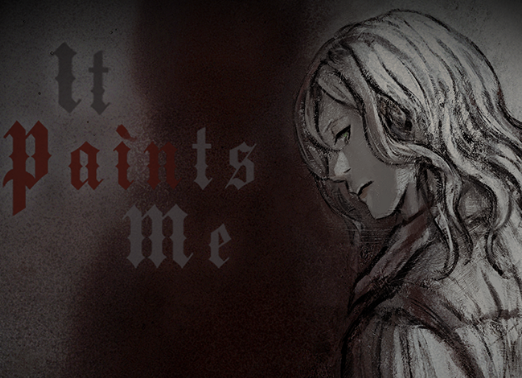
All screenshots below are taken directly from the playable build. This is exactly what the game looks like when the cameras come on.


Why Five Nights at Epstein's Earns The Night Shift
The strongest thing about Five Nights at Epstein's is how much it gets out of one dim room. Many survival horror games start with a chase. This one starts with a desk, a phone, and a list of cameras you should not trust. The fear is not a monster. The fear is the door light. The fear is the power meter. The fear is the question of which feed you should be watching when you hear the static pop.
Camera-First Survival
You experience the building through security feeds, door lights, and static - not action gameplay.
Power Management Horror
Every door costs power. Every camera costs power. The night costs power. You do the math.
Five Distinct Nights
Each shift ramps the difficulty. By night five, every click is a calculation you cannot afford to get wrong.
Dim Office Aesthetic
Low light, CRT distortion, desaturated colors. The office looks like a place that has been awake too long.
Browser Playable
No install, no download, no signup. The build streams into the frame on this page.
Free Forever
Five Nights at Epstein's is free to play in your browser - no subscription, no paywall.
Why The Office Stays With You
That low-light paranoia feeling gives Five Nights at Epstein's its rhythm. The game is not about jump scares. It is about how long you can sit in a dark room and trust your eyes. The cameras give you information, but they also take time. The doors give you safety, but they take power. The clock gives you hope, but it moves slowly. The game keeps all of those trade-offs close to the surface without ever explaining them out loud - it lets the player sit with the math, which is usually more effective than telling you what the monster is.
The art direction helps. Five Nights at Epstein's uses dim office lighting, washed-out greens, and CRT static in a way that feels oppressive from the first frame. Up close, the same stillness can feel like a held breath. The screenshots above show why the game reads so cleanly in a browser page: strong silhouettes, readable camera UI, and a power meter that quietly reminds you that the night is not over. The style is dark enough to set the mood - and quiet enough to make the quiet sounds matter.
Audience Note
Five Nights at Epstein's is intended for mature audiences 18+. The game uses jump scares, dim lighting, disturbing audio, and themes of surveillance and stalking to build its horror. It is not graphic in the gore sense, but the atmosphere is built to unsettle. Players should know that it is built for adults who are comfortable with tension horror and unsettling sound design.
If you are sensitive to sudden audio, jump scares, or stalker-style horror, take breaks between nights. Browser play makes it easy to pause, step away, and come back when you are ready. The best way to experience Five Nights at Epstein's is not to force yourself through all five nights in one sitting - let the office stay quiet for a while, and come back when you are ready to hear the static again.
Tips Before You Start
Give Five Nights at Epstein's a clean browser tab if you can. Close noisy video streams, let the game take the screen, and turn the volume down a notch before you press play. The game is not difficult to click through, but it is easy to miss a camera flicker or a static pop when your browser is fighting for attention. Save your first run for a time when you can pay attention instead of treating the game like background noise.
Listen to the static. It tells you which camera to watch. Watch the door lights. They tell you when to stop watching the cameras. Watch the power meter. It tells you which trade-off you can afford next. If a feed feels too quiet, remember it. If a door feels too cheap to close, remember that too. By night four, every click should feel like a decision, not a habit.
Keep it personal. Do not look up a perfect route on your first attempt. Let the office punish a careless camera check, then let it show you what changes when you check the door instead. The best run is usually the one where you close the wrong door at the wrong time - and the second run is where the office starts feeling less like a game and more like a test of attention you walked into mid-shift.
A Fan-Built Browser Portal For Five Nights at Epstein's
This is a fan-built browser portal for Five Nights at Epstein's, made to keep the game easy to launch, easy to revisit, and easy to share. The page focuses on the browser player, readable notes, real screenshots, and practical troubleshooting. It is not trying to bury you in lore before you have sat down at the desk.
If you enjoy survival horror, Five Nights at Epstein's is worth playing through slowly. If you prefer horror that hides inside low light and small screens, this is the right shape. If you like replaying the same night five times to shave seconds off your camera checks, the difficulty curve gives you plenty of reasons to come back. And if all you want is a quick way to start, the player at the top of the page is the point: press play, let the cameras come on, and see how long you can keep the doors closed.
Player Notes
0